Across the Canadian church, a growing number of leaders are naming the same reality: the inherited models of church shaped by Canada’s history of colonialism no longer serve the gospel of Jesus Christ or the people of God. Churches are being reshaped—how they gather, how they serve their communities, and how they form followers of Jesus is shifting rapidly. Patterns of ministry are changing as well: fewer congregations can support full‑time, professionally trained clergy, and lay leaders are stepping into new and expanded roles. Yet new and life‑giving models of church and ministry are emerging.
The first Shared Way, Shared Witness gathering met in May 2026 at the Villa St-Martin in Montreal. It brought together more than 50 church leaders from all ten provinces who began with the conviction that this moment of change can be hopeful, creative, and life-giving for Christians in Canada. Together, we explored new visions of church rooted in mutuality, collaboration, and shared leadership and discerned the forms of ministry that are needed to sustain what God is bringing forth in our midst. You can read the full final report of the gathering online.
Shared Way, Shared Witness was meant to deepen and expand a network of people in the Anglican Church of Canada, the United Church of Canada, and beyond. We concluded with a strategizing activity for bringing these ideas more deeply into the DNA of our churches, including planning another Shared Way, Shared Witness gathering in the future. More details about that gathering will be made available in due course. For now, this website exists to point to resources that were shared during the first Shared Way, Shared Witness gathering.
If you want to be told when registration is open for the next Shared Way, Shared Witness gathering, please fill in this form.
Shared Way, Shared Witness
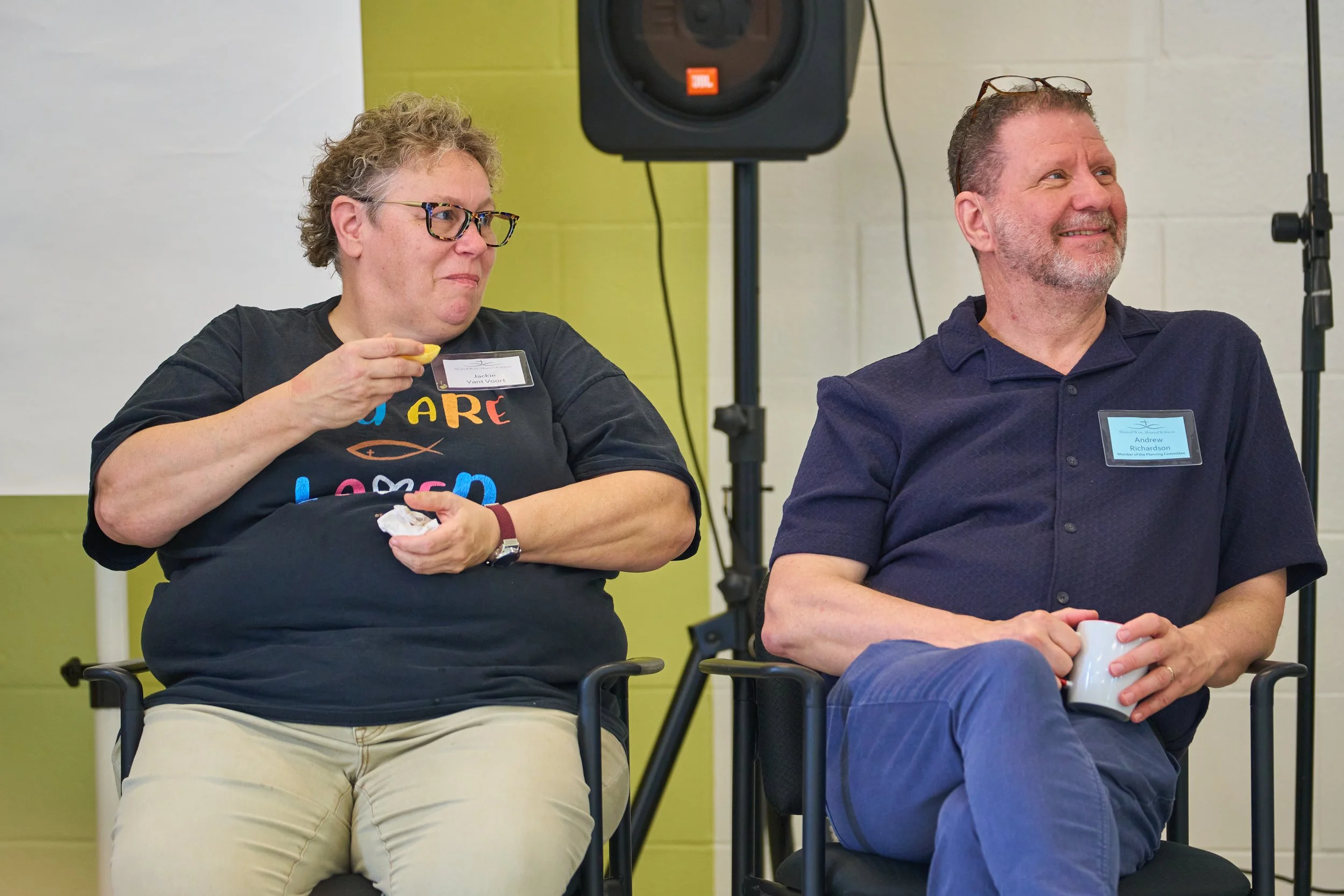
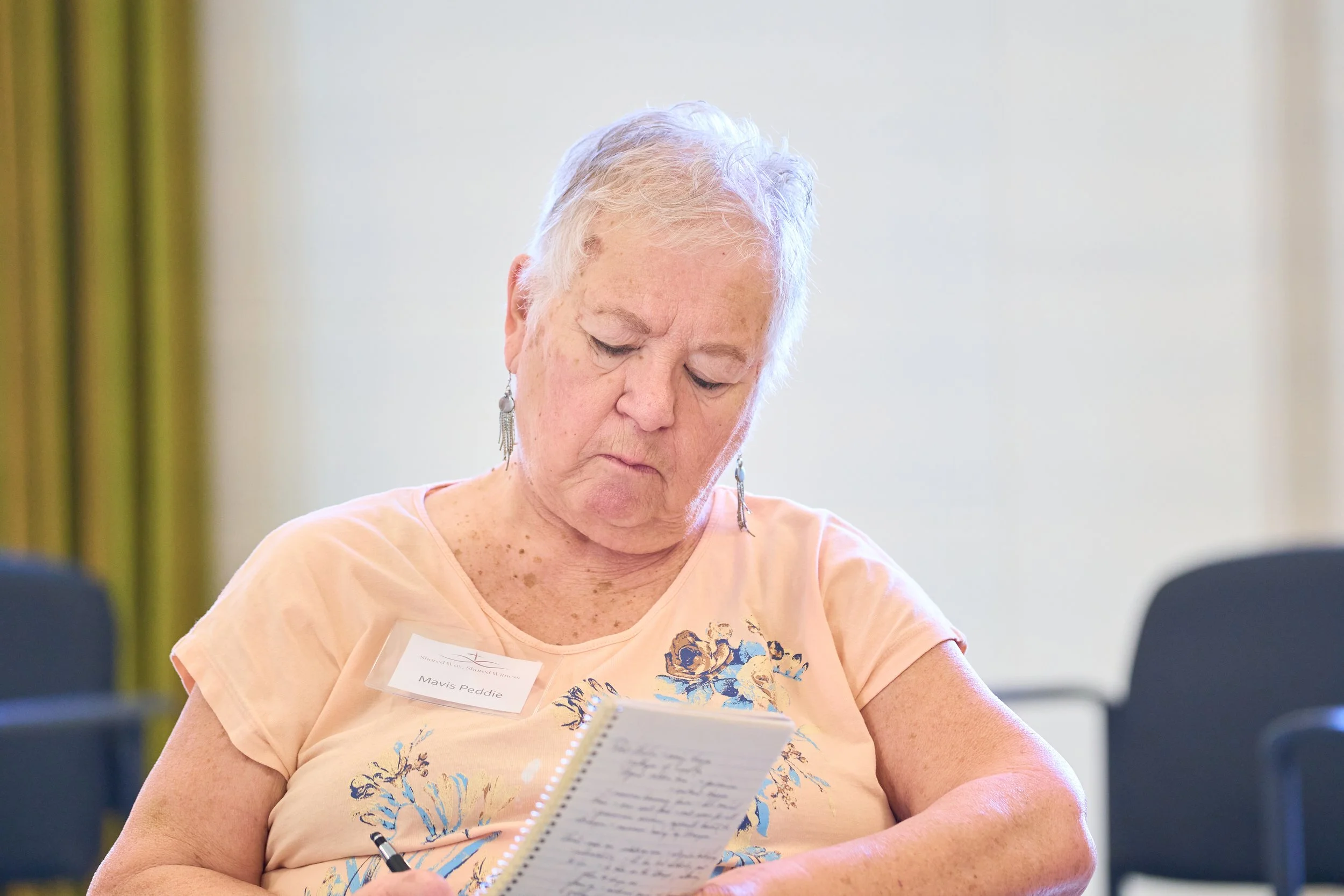
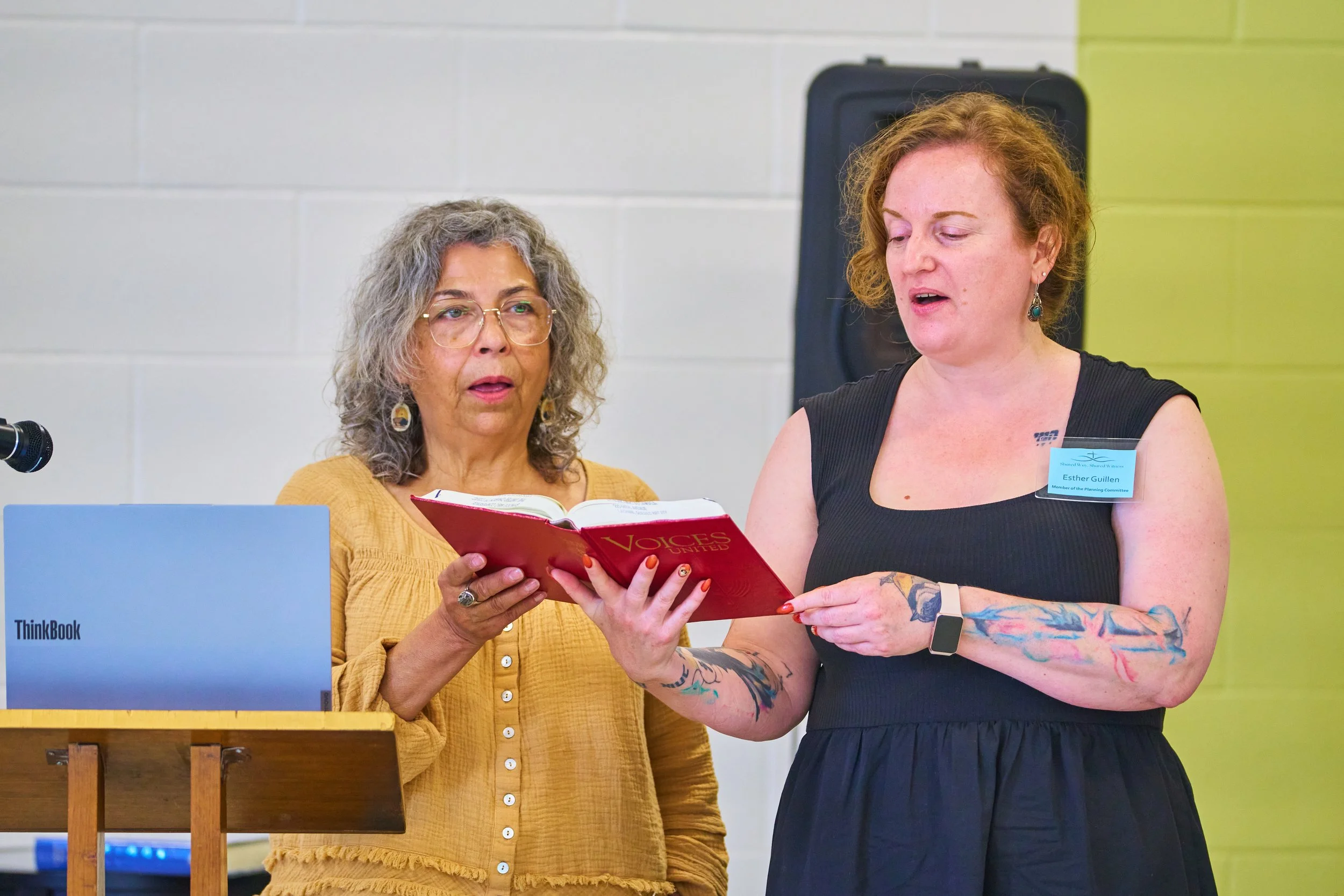
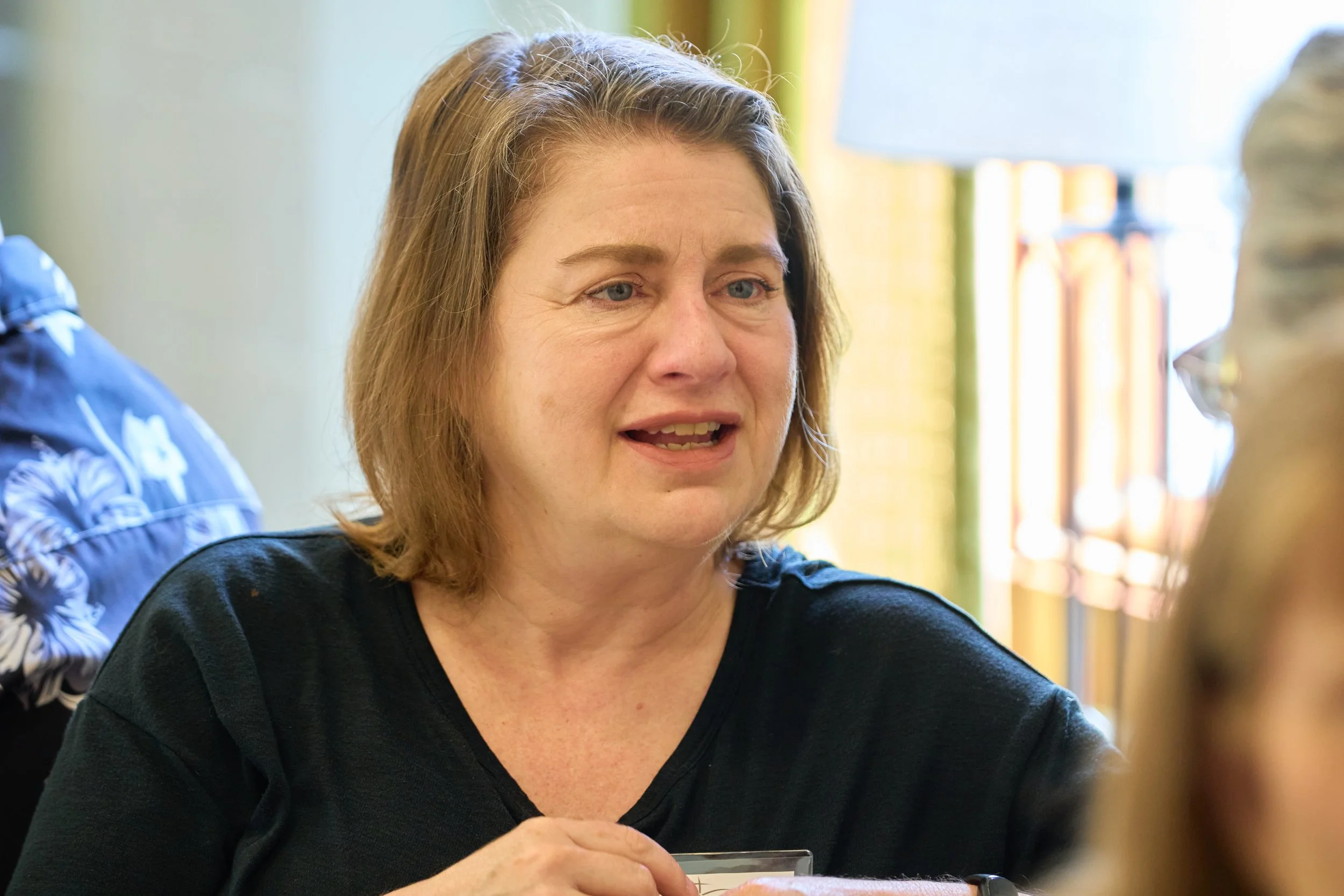
This gathering is designed to foster deep conversation, shared learning, and meaningful connection.
The first Shared Way, Shared Witness gathering was made possible thanks to the generous financial support of the United Church of Canada Foundation, the Anglican Diocese of Montreal, and the Nakonha:ka Regional Council of the United Church of Canada. Administrative and logistical support was provided by Montreal Dio.